Five Minutes to Outpace Payment Change

Today we focus on Five-Minute Payment Innovation Briefs for Hospitality and Retail Executives, delivering sharp, time-efficient insights you can absorb between standups and site walks. Expect concise guidance on contactless adoption, instant settlement, fraud reduction, and guest-centric checkout design, paired with next-step actions. Each insight favors operational reality over hype, so you can brief your teams quickly, align vendors faster, and unlock measurable wins without derailing the day’s priorities or overwhelming frontline managers already navigating peak traffic and shifting guest expectations.

Executive Snapshot: What Changed This Week

In just a few focused minutes, synthesize the movements shaping hotels, restaurants, and stores right now. We spotlight shifts in wallet usage, authorization policies, real-time rails, and compliance updates that meaningfully influence checkout speed, working capital, and dispute exposure. Use this digestible overview to steer standups, prioritize quick wins, and signal where pilots or vendor escalations can create disproportionate value without heavy capital commitments or lengthy training rollouts that might distract line teams during seasonal demand spikes.

Contactless Keeps Rising

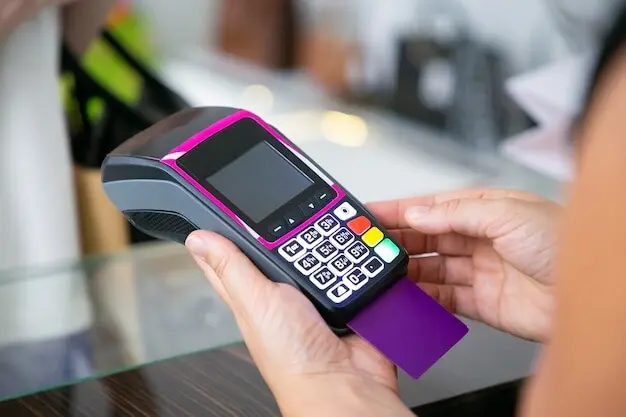
Tap-to-pay penetration continues expanding as guests expect a wave-and-go experience across front desk kiosks, mobile POS at tables, and countertop terminals during rush periods. Operations leaders report shorter queues, higher throughput, and fewer abandoned carts. The critical move is ensuring antennas, receipt settings, and staff prompts minimize friction, while signage clarifies that cards, phones, and wearables all work flawlessly. Track conversion by hour, because peak-trade improvements often mask underperforming shoulder periods with different device mixes and staff coverage realities.

Real-Time Payouts Reach Operations

Instant rails like RTP and FedNow are moving from headlines into limited-use programs for supplier disbursements, driver earnings, and staff tip-outs after shifts. Finance benefits from improved liquidity visibility, while employees appreciate immediate access that boosts satisfaction. Before expanding, pressure-test fraud controls, cutoff schedules, and cost-per-transaction versus ACH. Hospitality pilot teams report fewer support tickets when communications clearly explain availability windows, dispute handling, and contingency paths during maintenance. Document exceptions early to prevent frontline confusion during weekend surges or late-night venue turnovers.

Tokenization Becomes Lifecycle Management

Network tokens are evolving beyond security into smarter lifecycle tools that preserve revenue during card reissues and renewals. Merchants see improved authorization rates and fewer declines when credentials update automatically across channels. Yet the benefits stall if profiles splinter between in-store, app, and bookings. Map token domains to guest accounts, unify consent capture, and ensure downstream systems honor a single, privacy-compliant identifier. This balance of protection and continuity protects repeat stays, subscriptions, and click-and-collect flows without heavy customer service intervention.

Faster Checkouts, Happier Guests

Speed and clarity drive memorable experiences, especially when lines form at shift changes or after events. The most effective improvements combine intuitive prompts, simplified tender choices, and resilient connectivity across storefronts, lobbies, and patios. Train associates to recognize hesitation signals, offer helpful guidance without pressure, and keep fallbacks handy when roaming devices lose signal. Pilot changes on the busiest hour first, then cascade. Celebrate small wins visibly, because staff enthusiasm amplifies adoption far faster than policy documents or technology bulletins alone can accomplish.

Tap to Pay on Mobile Devices

Turning staff phones into secure acceptance devices reduces bottlenecks at countertop terminals and table-side payment handoffs. Restaurant managers love reclaiming square footage once devoted to fixed stations, while boutique hotels appreciate closing folios without asking guests to queue again. Provide rugged cases, clear tipping flows, and offline handling rules. Role-play edge cases, like split checks and partial authorizations, so confidence grows. Consistent charging routines, lanyards, and checklists matter more than glossy feature charts when the Friday rush truly arrives.

QR Flows Without Confusion

QR journeys shine when signage, lighting, and placement align with natural guest behavior, not just where adhesive fits. Keep codes unique per table or terminal, reduce redirects, and prefill order context so checkout feels personal. Surface preferred wallets prominently and clarify fees before payment to protect trust. If guests must download an app, conversion collapses; prioritize lightweight web flows. Test visibility at different heights, especially in dim lounge areas and drive-thru canopies where glare, reflections, or rain quickly degrade scan success.

Security and Compliance Without the Slowdown

Safety should strengthen the guest journey, not stall it. Align PCI DSS 4.0 readiness with technology refreshes, prioritize scope reduction through encryption and tokenization, and make audits easier by documenting simple, repeatable controls. Emphasize human factors: clear procedures for lost devices, manager approvals for refunds, and rapid escalation when anomalies surface. Balance 3-D Secure, risk rules, and exemptions to preserve approvals. Reward stores that log and resolve incidents quickly, turning compliance from a checklist into a culture guests can feel but never see.

PCI DSS 4.0 in Five Practical Moves

Start with accurate data-flow maps, then confirm segmentation boundaries that keep cardholder data tightly isolated from general networks. Adopt strong authentication for consoles and portals, rotate default settings, and validate vendor responsibilities in shared environments. Align training with frontline tasks, not just policy text. Use simple visuals to show what lives in scope and why. Regularly rehearse incident playbooks, because clear communication in the first hour limits impact, accelerates recovery, and demonstrates diligence to partners and acquiring banks reviewing controls.

Point-to-Point Encryption for Real Scope Cuts

Certified P2PE drastically reduces audit burden and attack surface by locking down sensitive data from the instant a card taps or dips. Coordinate device custody, tamper checks, and chain-of-custody logs so auditors trust the controls. In hospitality, ensure roaming devices get the same rigor as counter units. When budgeting, weigh lower compliance effort and risk exposure against program fees. Many operators discover total cost drops once investigations, remediation, and staff retraining decline, freeing leaders to focus on guest experience improvements instead.

Chargebacks and Friendly Fraud Containment

Hospitality and retail face disputes around no-shows, tipping discrepancies, and curbside pickups claimed undelivered. Capture evidence effortlessly: digital receipts, geolocation, staff notes, and timestamped handoffs. Tighten descriptors and post-purchase communications to preempt confusion. Use alerts to respond inside issuer windows, improving win rates. Involve guest experience teams early, since empathetic outreach can resolve issues cheaper than representment. Track root causes across locations to reveal coaching opportunities, product mix challenges, or packaging problems masquerading as fraud within aggregated weekly figures.

Omnichannel That Actually Feels Unified

{{SECTION_SUBTITLE}}
One Profile, Many Moments

Bring wallet tokens, loyalty IDs, and consent records together under a privacy-respecting, cross-channel profile. That enables elegant touches: prefilled details at check-in, quicker reorders, and familiar rewards at the café and the boutique. Guard against duplicate accounts by deduping with strong signals and staff prompts. When consent changes, propagate quickly so marketing and receipt preferences reflect reality. This quiet integrity makes experiences feel thoughtful and contemporary, especially for frequent travelers and local regulars who notice personalization lapses immediately.

Micro-Optimizations at Checkout

Minor adjustments compound: clearer copy on tips, simpler button labels, wallet logos above fold, and upfront clarity on fees or holds. Test default tip ranges that respect regional norms and service types, preventing regret. Shorten address capture with postal lookups, then remove redundant fields. Confirm haptic or sound feedback on mobile terminals so guests sense completion. Measure completion time and error rates by device model to target fixes. These refinements reduce staff interventions and nudge conversion without major replatforming or long change management cycles.

Cost Control, Smarter Acceptance, Better Margins

Optimizing acceptance costs starts with visibility, not guesswork. Segment fees by channel, card type, and wallet, then rank opportunities by effort and expected lift. Coordinate with acquirers on routing, authorization tuning, and risk strategies that defend revenue without irritating loyal guests. Calibrate surcharging or cash-discount programs only where compliant and brand-safe. When product, finance, and operations share one dashboard, leaders can trim leakage, fund innovations, and celebrate store-level wins that compound across portfolios without surprise tradeoffs appearing during monthly closes.

Your 30-60-90 Acceleration Plan

Turn insight into momentum with a compact plan that earns trust quickly. In the first month, pilot one change during peak hour and capture measurable before-and-after data. In the second, scale to two additional locations while codifying playbooks. By day ninety, standardize training, dashboards, and vendor scorecards, then celebrate wins. Encourage leaders to share short videos, not just documents, because frontline teams model behaviors they can see, hear, and replicate during real pressure moments far better than they can from static checklists alone.

Team Enablement That Sticks

Micro-learning beats marathon sessions. Deliver five-minute modules with clear role-based takeaways, quick quizzes, and short scenario videos recorded on actual devices. Surface one improvement request channel, then publicly close the loop each week. Recognize associates who spot customer friction early, because peer validation accelerates cultural change. Build laminated cards for offline references during rushes. When training feels respectful of time and anchored in real stations, adoption climbs, surprises drop, and managers gain back precious minutes for coaching rather than firefighting every transaction.

Vendor Scorecards Without Mystery

Create lightweight scorecards covering uptime, approval rates, dispute outcomes, deployment speed, and support responsiveness. Add a quarterly executive review focused on two improvements, not a dozen vague promises. Require clear ownership, timelines, and rollback plans for experiments. If a pilot slips, capture lessons without blame and rescope swiftly. Transparency strengthens partnerships, reveals hidden dependencies, and keeps negotiations grounded in shared outcomes that matter to guests and staff rather than abstract feature checklists or marketing claims that fail during Saturday-night peak windows.

Metrics Cadence and Feedback Loops

Pick a few vital signs: checkout duration, tap adoption, approval rate, dispute incidence, and staff-reported friction. Review them weekly with store and hotel leads, turning insights into targeted fixes. Publish a short Friday note celebrating wins and naming next week’s focus. Invite frontline voice notes, because nuanced stories explain spikes better than charts alone. Over time, this cadence becomes a lightweight operating system for change, enabling consistent progress without heavy bureaucracy or endless dashboards that nobody consults during real-world crunch times.
Hifetizaripahalutekopumofa
Privacy Overview

This website uses cookies so that we can provide you with the best user experience possible. Cookie information is stored in your browser and performs functions such as recognising you when you return to our website and helping our team to understand which sections of the website you find most interesting and useful.